 Part Machining / Mould
 Sheet Metal / Hand Plate
Customize&Volume Production
Service:+86-755-23208040
Project:+86-18028781979
Part Machining / Mould 
 2026-05-31
 616
Share:
616
Share:


Traditional machining relies entirely on manual operation and professional experience of workers. For equipment such as lathes and milling machines, operators need to manually adjust the rotational speed, feed rate and tool travel distance. Every step of part processing requires real-time manual control. During production, operators have to adjust operations by feel and visual judgment, placing extremely high demands on personnel proficiency, and it is difficult for new workers to get started quickly.
In contrast, CNC machining operates based on computer programming. Technicians input part processing parameters and machining trajectories into the system in advance, and the equipment can automatically complete all procedures including cutting, drilling and milling. This programmed operation completely eliminates excessive reliance on manual experience with a lower operation threshold. It also avoids problems caused by manual operational errors, realizing standardization and intellectualization of machining control.
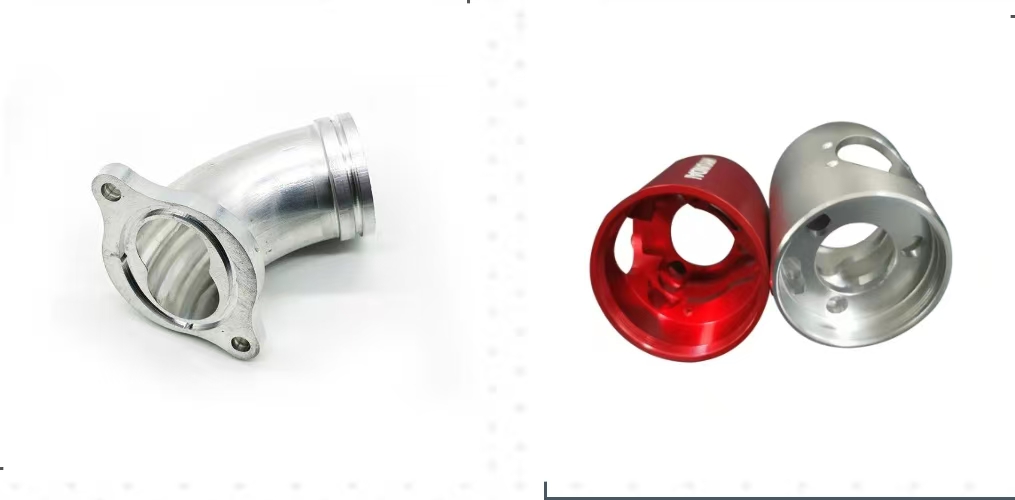
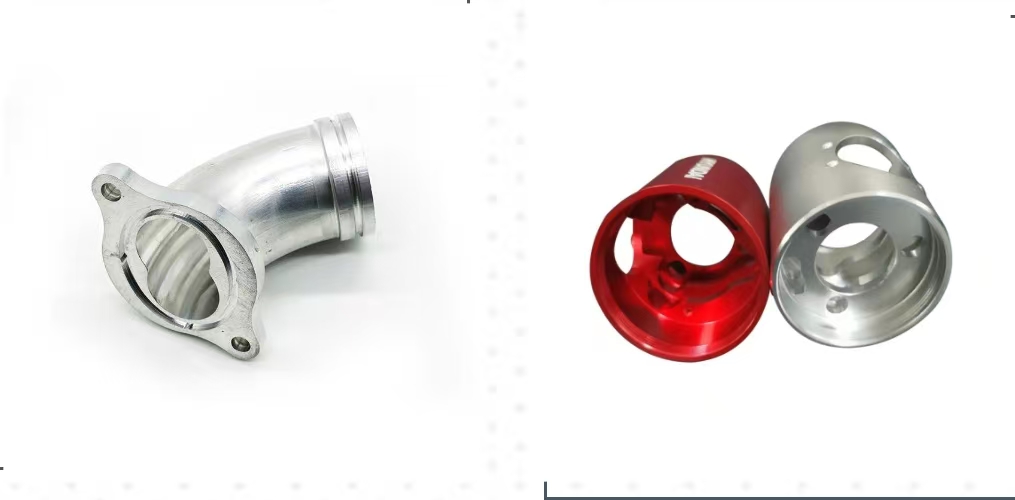
Accuracy difference is one of the core distinctions between CNC and traditional machining. Traditional machining is greatly affected by manual work; manual feeding, alignment and tool setting all generate random errors. Dimensional tolerances are hard to control precisely, and finished parts are prone to dimensional deviation and uneven tool marks with poor consistency. It only meets ordinary precision processing requirements and cannot adapt to the production of precision parts.
CNC machining adopts digital precise control. The equipment control system can accurately position machining coordinates, with the minimum error controlled within 0.01 millimeter. It can stably reproduce parts with unified standards. Whether for simple structural workpieces or complex curved surface parts, it ensures accurate dimensions and uniform surface finish. Mass-produced parts feature highly unified precision, greatly improving product qualification rate.
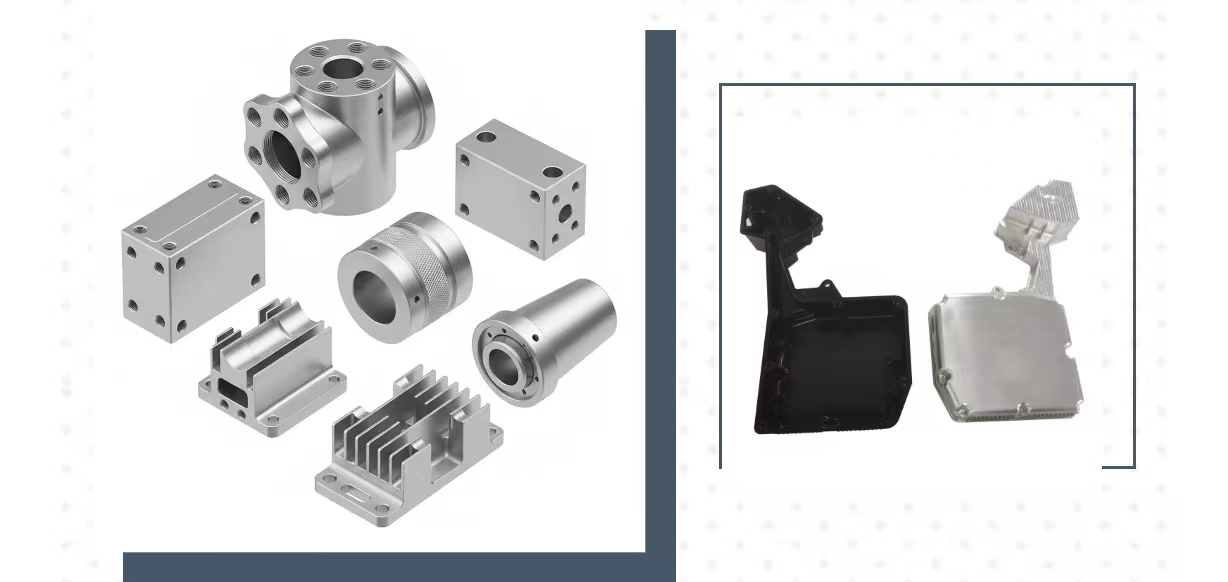
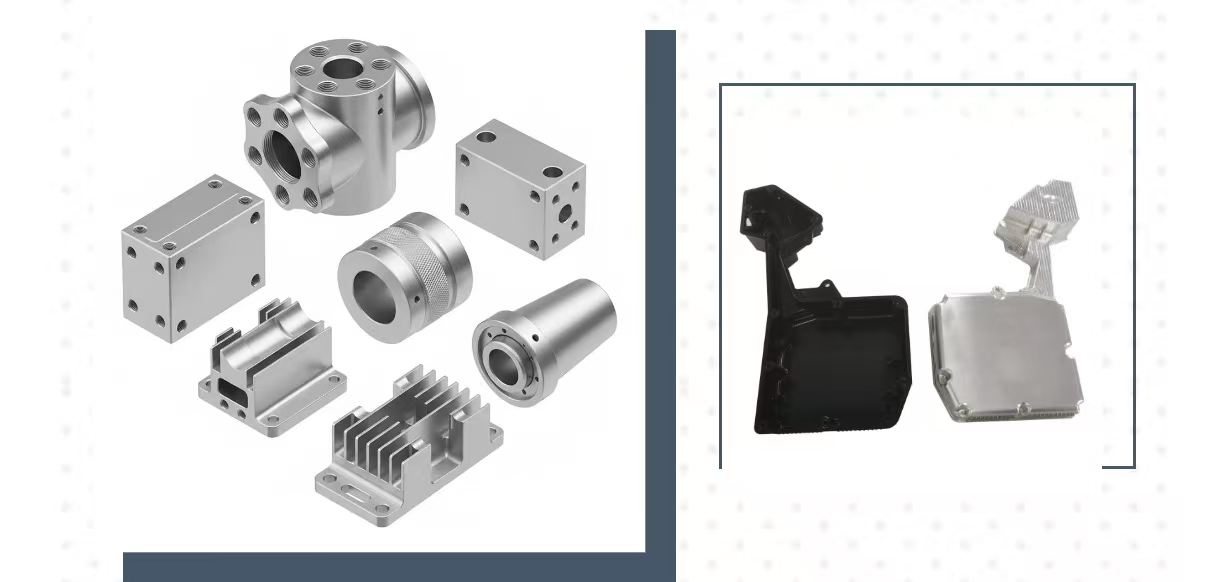
Traditional machining involves cumbersome procedures, with only simple processing tasks completed in a single operation. Complex workpieces require multiple clamping and processing on different equipment, leading to complicated production processes and long time consumption. Meanwhile, the equipment has poor adaptability; it is basically unable to process special-shaped, curved surface and multi-cavity structural parts, and is only suitable for single-piece and small-batch production of simple-structured parts with low production efficiency.
CNC machining boasts strong flexible production capacity. 3-axis, 4-axis and 5-axis processing equipment can realize one-time clamping and multi-process composite machining, greatly reducing clamping and commissioning time. It can easily meet the processing demands of various complex curved surfaces and special-shaped precision workpieces, applicable to both small-batch customized production and large-scale mass production. Its production efficiency is far higher than traditional machining, perfectly fitting the production needs of modern intelligent manufacturing.
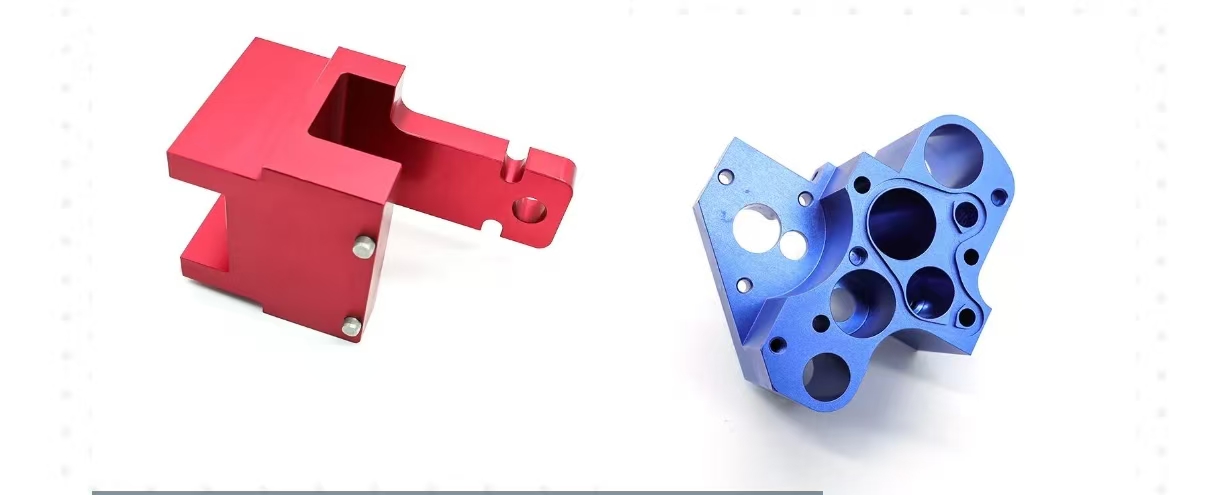
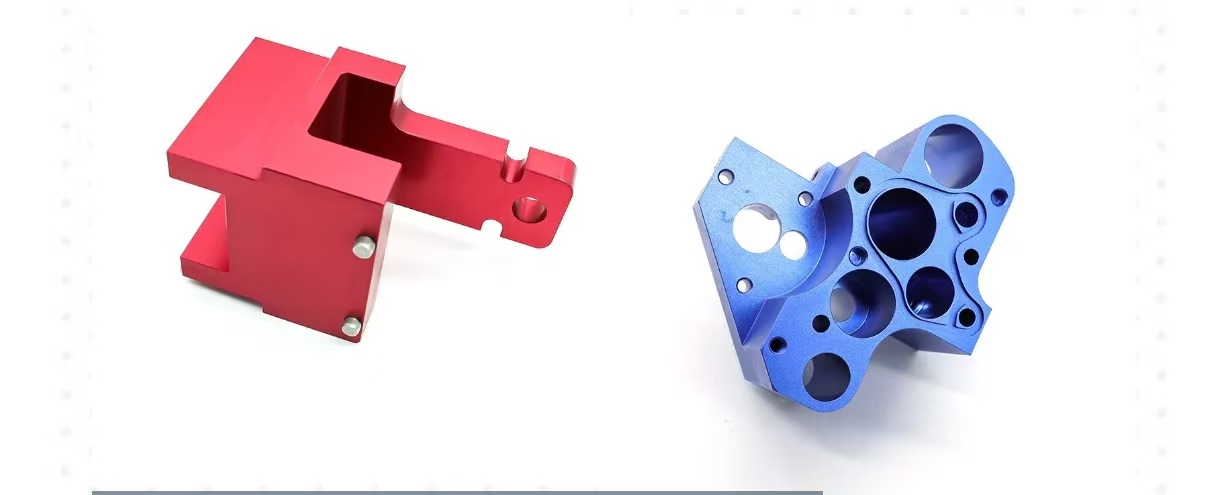
We provide CNC machining services for aluminum alloy small-batch parts and prototype samples, including automotive swing arms, automobile steering knuckles, new energy vehicle battery packs, electronic injectors, medical precision hardware parts, radiators, energy storage equipment, photovoltaic panels and other precision components.
CNC machining is widely applied in prototype proofing, small-batch trial production and customized manufacturing during the R&D process. We are equipped with 3-axis, 4-axis and 5-axis linkage machines. The selection of processing models and methods is determined according to the complexity of drawings provided by clients.
Company:SHENZHEN INDUSTRIALMAN PRODUCT RP&M CO., LTD
TEL Service:+86-755-23208040
Mobile:+86-18028781979(Manager Ruan)
Email:sales@gyrmodel.com QQ:312520366
Address:DEFG, 19/F, Ruijun Bldg, Zhongxin Road #108,Xinqiao Baoan Area,Shenzhen City,China
Factory address of Humen:Building 6, No. 9 Pujiang Road, Daning Community, Humen Town, Dongguan City
Factory address of Hubei:No.2 Guanggu Avenue, Tieshan District, Huangshi City, Hubei Province


Tiktok



 English



 Consult now


