 Part Machining / Mould
 Sheet Metal / Hand Plate
Customize&Volume Production
Service:+86-755-23208040
Project:+86-18028781979
Part Machining / Mould 
 2026-04-19
 797
Share:
797
Share:


Which Material is the First Choice for Metal 3D Printing?
一.For industrial metal 3D printing, AlSi10Mg aluminum alloy is the absolute first choice.
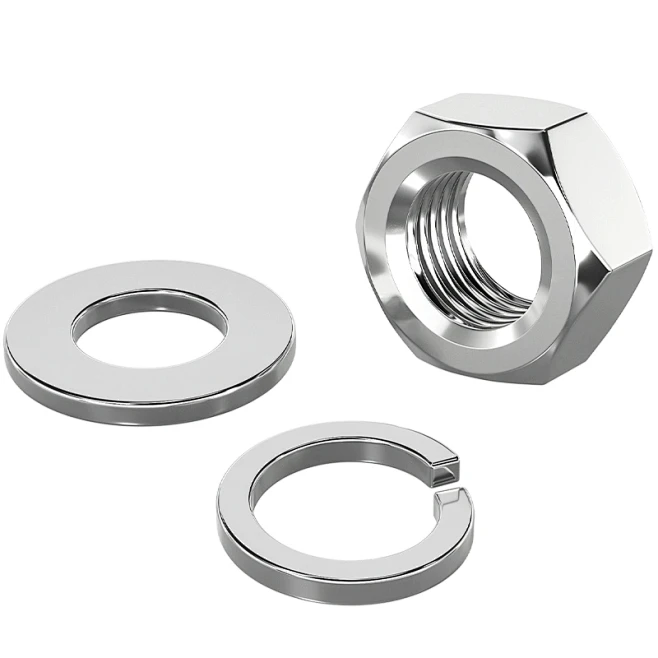
In the field of metal 3D printing, considering factors such as formability, performance, cost and application scenarios, AlSi10Mg aluminum alloy is currently recognized as the preferred material.
As the most suitable grade in the aluminum alloy family for 3D printing processes, it addresses the common pain points of cracking and deformation in most metal printing thanks to its unique composition advantages. With a high silicon content, it exhibits excellent fluidity in the molten state and a low solidification shrinkage rate. In mainstream metal 3D printing processes such as SLM (Selective Laser Melting), it achieves an extremely high forming success rate, with a density of over 99.5%, and almost no obvious defects such as pores or cracks.
At the same time, the material offers balanced comprehensive mechanical properties, including strength, hardness, toughness and corrosion resistance, which meet the requirements of the vast majority of industrial structural parts. Additionally, it has a moderate material cost, a mature powder supply chain, and simple post-processing procedures, making it the most widely used metal 3D printing material in industrial production.
二、Core Advantages of Choosing AlSi10Mg, Adapting to Multi-field Demand
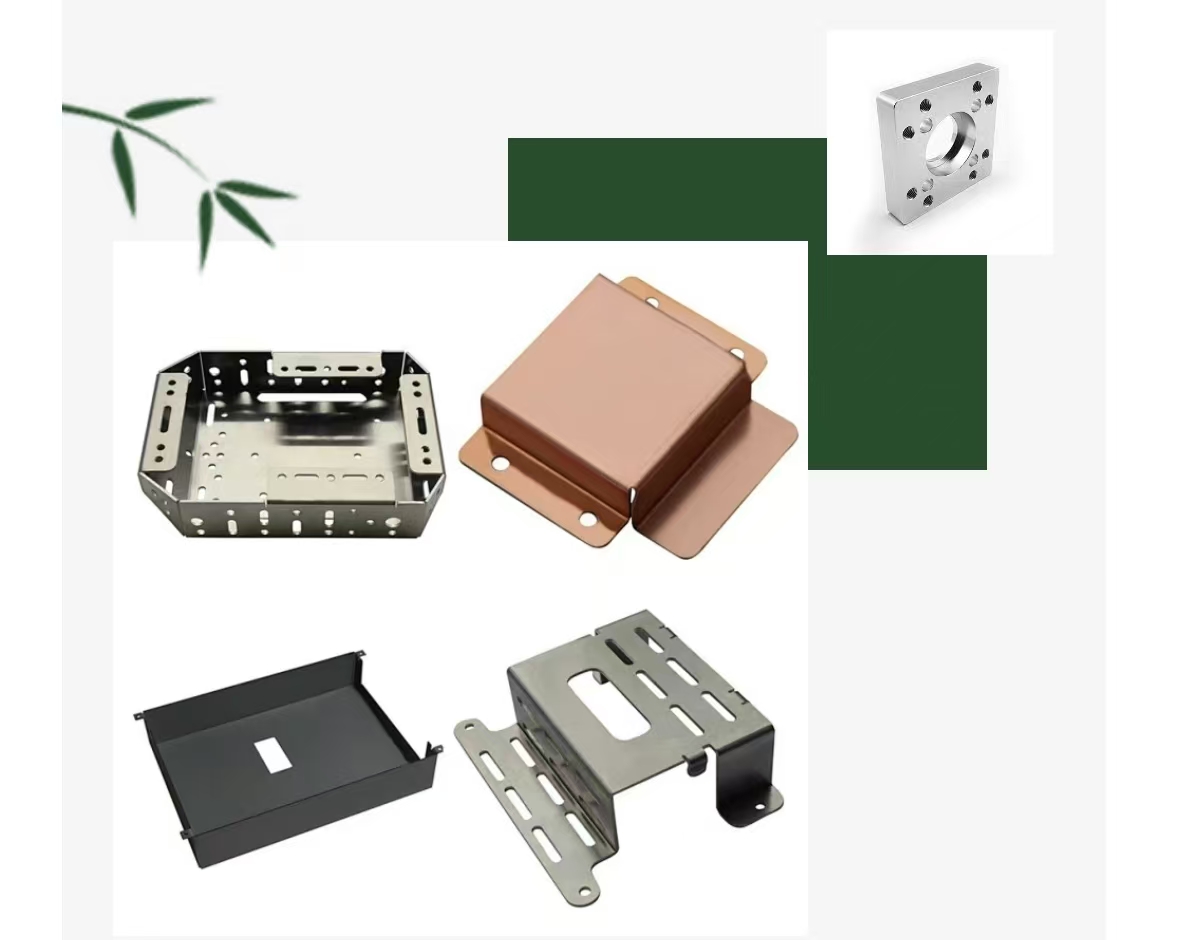
The reason why AlSi10Mg can become the first choice for metal 3D printing lies in its comprehensive and irreplaceable advantages, which perfectly meet the demand for high-efficiency, high-quality and low-cost in industrial production. From the process perspective, it requires no complex pre-treatment and has mature printing parameters. Whether it is small-batch, mass production or customized processing, it can maintain stable forming quality and greatly reduce production losses. From the performance perspective, after undergoing T6 heat treatment, its mechanical properties can be further improved, approaching the standard of some forged aluminum standards, which can meet the structural requirements of high-end fields such as aerospace and automotive manufacturing.
In addition, the aluminum alloy itself highlights the characteristic of light weight, with a density of only 2.7g/cm3. Combined with the design freedom of 3D printing, it can realize weight reduction of parts by 20%-50%. Meanwhile, the material utilization rate is above 95%. Compared with traditional processing, it can greatly save raw material costs and adapt to the actual production needs of various industries.
三.The Irreplaceability of AlSi10Mg Compared to Other Metal Materials
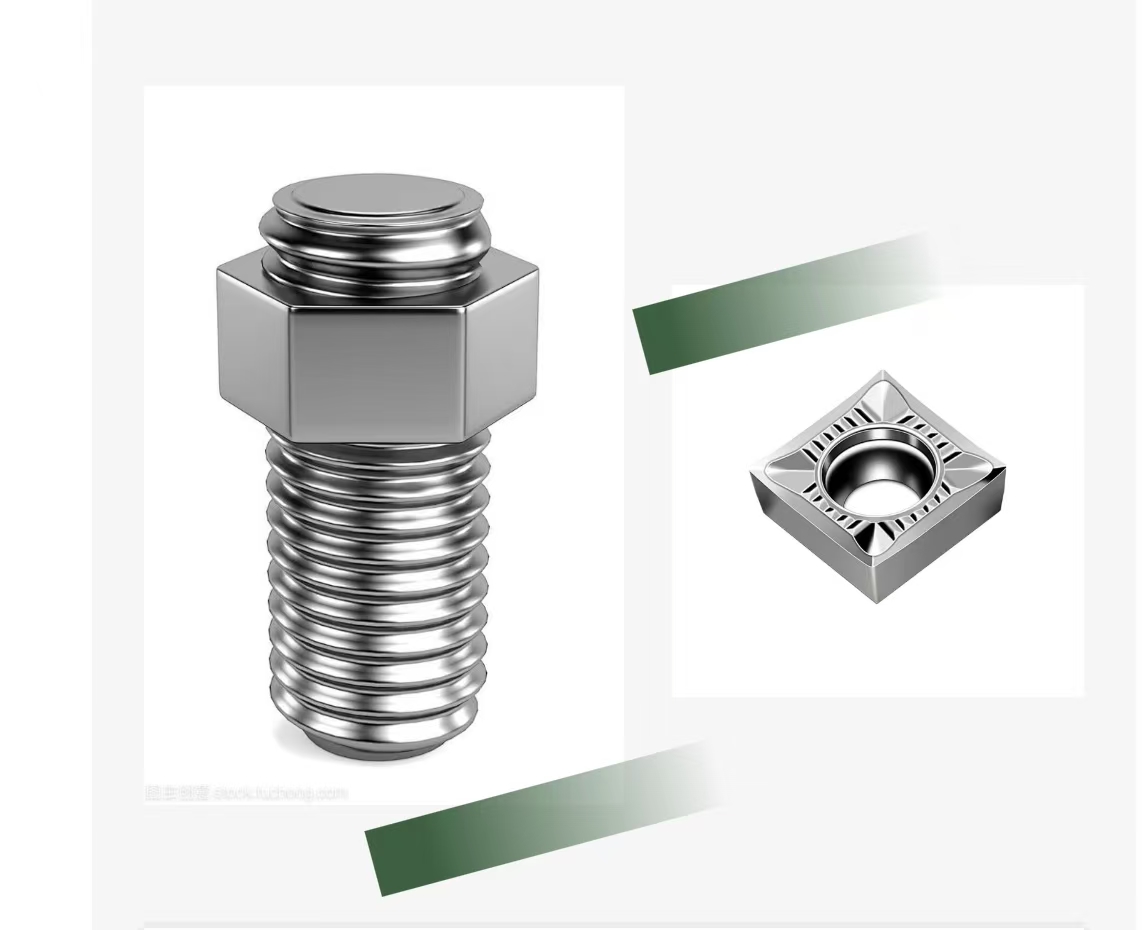
Compared with other metal 3D printing materials, AlSi10Mg boasts more prominent comprehensive advantages, making it the optimal solution for most scenarios. When compared with fellow aluminum alloys 6061 and 7075, AlSi10Mg offers lower printing difficulty and high crack resistance, eliminating the need for complex process optimization. In contrast, 6061 is easily deformed, while 7075 is highly susceptible to hot cracking, limiting its application to high-end research and special scenarios only.
Compared with other metallic materials such as titanium alloys and stainless steel, AlSi10Mg features lower costs, higher forming efficiency, and obvious lightweight advantages, making it more suitable for weight-sensitive industries.
Although novel high-strength aluminum alloys (containing Sc/Zr) and titanium alloys deliver superior performance in specific high-end applications, they are hindered by high costs, an immature supply chain, and complex post-processing processes, which restricts their widespread adoption. Therefore, for the vast majority of industrial production and the manufacturing of conventional structural components, AlSi10Mg aluminum alloy stands as the optimal first choice for metal 3D printing.
Shenzhen Industrial Man Product RP&M Co.,Ltd.24/7 Service for You! Welcome to Inquire!
Company:SHENZHEN INDUSTRIALMAN PRODUCT RP&M CO., LTD
TEL Service:+86-755-23208040
Mobile:+86-18028781979(Manager Ruan)
Email:sales@gyrmodel.com QQ:312520366
Address:DEFG, 19/F, Ruijun Bldg, Zhongxin Road #108,Xinqiao Baoan Area,Shenzhen City,China
Factory address of Humen:Building 6, No. 9 Pujiang Road, Daning Community, Humen Town, Dongguan City
Factory address of Hubei:No.2 Guanggu Avenue, Tieshan District, Huangshi City, Hubei Province


Tiktok



 English



 Consult now


