 Part Machining / Mould
 Sheet Metal / Hand Plate
Customize&Volume Production
Service:+86-755-23208040
Project:+86-18028781979
Part Machining / Mould 
 2026-06-26
 748
Share:
748
Share:


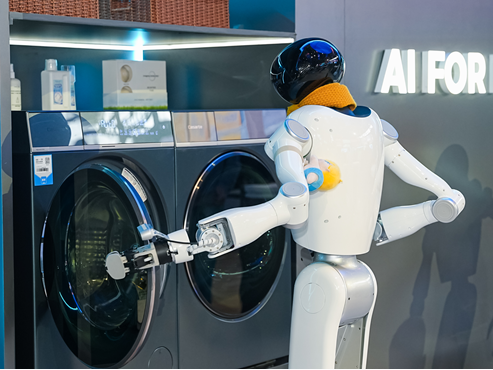
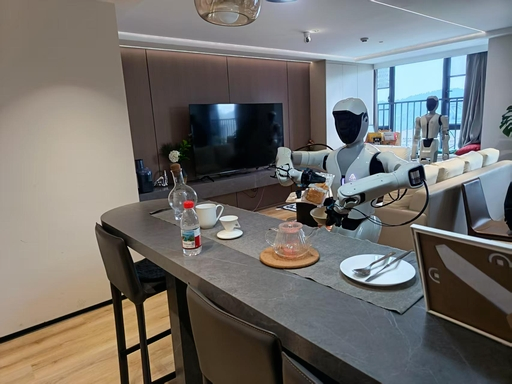
Robots were once only seen in sci-fi movies, yet today domestic service robots have entered ordinary apartments and residences, becoming daily helpers for office workers and families with children. The new generation of humanoid housekeeping robots are equipped with visual recognition and flexible grasping technologies, capable of independently completing full-house cleaning, clearing dining tables, sorting and storing clothes, simple kitchen tidying and other tedious chores. They can also link to all smart home devices, adjusting lighting, temperature and humidity by voice commands, and prepare warm water and ingredients in advance.
For young people occupied with work all day, mopping, folding clothes and tidying up no longer drain their energy after work. Window-cleaning robots for high-rise residents completely eliminate safety risks from high-altitude cleaning. Although current household robots cannot finish all elaborate cooking tasks, their capacity to cover basic housework has been greatly improved. Mass-produced models priced at around 10,000 RMB have lowered the access threshold, making technology no longer a luxury. They effectively reduce people’s housework burdens and return more spare time to daily life itself.
器人操作洗衣机
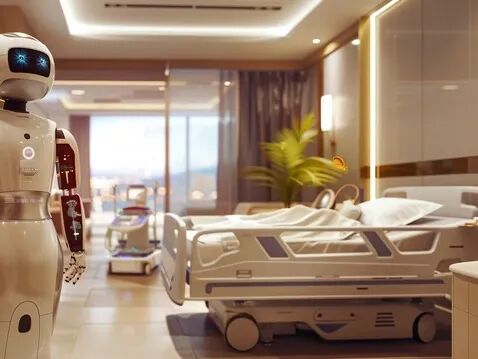
China’s aging population keeps expanding, and there is a severe shortage of professional caregivers. Companion robots have become vital support for empty-nest seniors and disabled groups, widely deployed in community and home elderly care scenarios. Integrated with heart rate & blood oxygen monitoring, fall detection, emergency call and rehabilitation assistance functions, these robots regularly remind seniors to take medicine and measure physical data daily. Once falls or abnormal vital signs are detected, they will instantly push alerts to family members and community medical staff.
In spare time, the robots can play chess, chat and broadcast operas with seniors to ease loneliness from living alone. Rehabilitation-type robots can also assist limb training and simple massage, cutting the care pressure on family members. Different from cold mechanical equipment, new-generation products adopt emotion perception algorithms with soft tones and easy interactive operations, so seniors can handle them effortlessly.
Robots are not meant to replace family company, but act as all-weather auxiliary guardians to make up for the service gaps of home elderly care, safeguarding the physical safety and mental needs of the elderly with technology.
康养陪护机器人
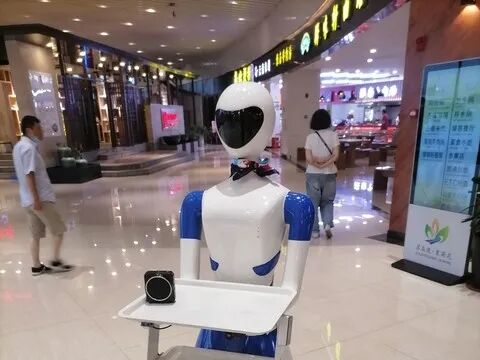
Stepping out of homes, service robots can be seen everywhere in catering stores, shopping malls, community clinics and hotels, quietly optimizing the whole process of people’s outdoor errands and consumption. Food delivery robots shuttle autonomously through dining halls to stably deliver dishes and recycle tableware, easing the staff shortage during peak dining hours. Shopping mall guide robots point out store locations and introduce product information; robots in pharmacies and hospitals undertake triage guidance and medicine delivery, cutting waiting queues for crowds. Hotel delivery robots can take elevators independently to send takeaways and toiletries to guest rooms, avoiding frequent human visits that disturb guests.
They operate stably 7×24 hours without being affected by mood or physical strength, lowering labor costs for merchants while delivering more efficient, contactless service experience to consumers. From daily meals to medical treatment and accommodation, commercial robots cover all types of urban public scenarios, becoming standard equipment for urban convenient services. They simplify ordinary people’s daily travel and consumption, embodying the value of inclusive intelligent technology for the public.
Company:SHENZHEN INDUSTRIALMAN PRODUCT RP&M CO., LTD
TEL Service:+86-755-23208040
Mobile:+86-18028781979(Manager Ruan)
Email:sales@gyrmodel.com QQ:312520366
Address:DEFG, 19/F, Ruijun Bldg, Zhongxin Road #108,Xinqiao Baoan Area,Shenzhen City,China
Factory address of Humen:Building 6, No. 9 Pujiang Road, Daning Community, Humen Town, Dongguan City
Factory address of Hubei:No.2 Guanggu Avenue, Tieshan District, Huangshi City, Hubei Province


Tiktok



 English



 Consult now


